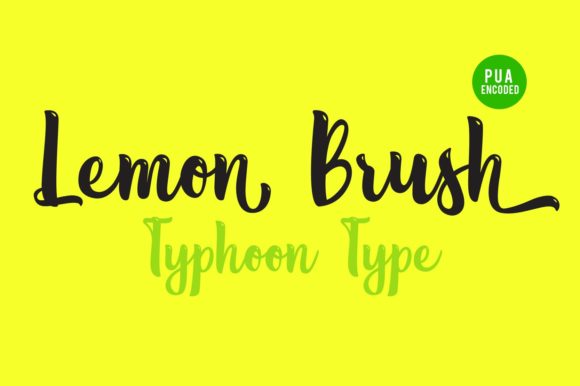
Lemon Brush: A Handwritten Font That Brings Authenticity and Modern Energy to Your Designs
When you're crafting a brand identity, designing a website, or preparing a presentation that needs to stand out—yet feel human—you’re not just choosing a font. You’re choosing tone, trust, and intention. Lemon Brush is more than a typeface; it’s a thoughtful solution for creatives, marketers, small business owners, and educators who want warmth without sacrificing polish. This truly original handwritten font delivers a modern, lively energy while preserving the organic imperfections that make handwriting feel genuine.
Many professionals face a quiet but persistent challenge: balancing professionalism with personality. Sans-serifs feel clean but sometimes sterile; traditional scripts can read as overly formal or dated. The result? Designs that don’t quite resonate—logos that lack memorability, social posts that blend in, or marketing materials that fail to convey approachability. That’s where Lemon Brush steps in—not as a decorative flourish, but as a strategic tool for visual communication.
What Makes Lemon Brush Different—and Why It Matters
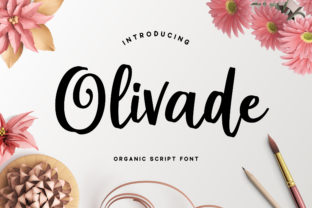
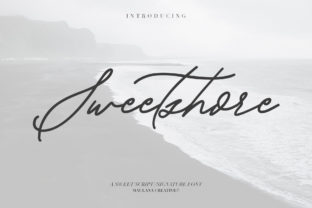
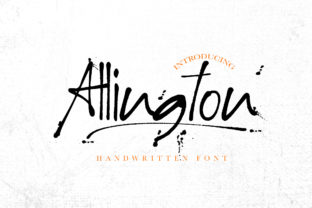
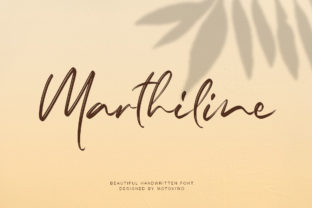
Lemon Brush was designed with deliberate intention: to reflect the spontaneity of hand-drawn lettering while maintaining typographic clarity and consistency. Unlike many script fonts that rely on excessive swashes or rigid calligraphic rules, Lemon Brush uses natural stroke variation, subtle bounce, and relaxed spacing—giving it rhythm without chaos. Its lowercase letters have soft entry and exit strokes, and its capitals carry confident, slightly playful weight. The overall effect is energetic yet grounded—modern, but never cold.
This isn’t just aesthetic nuance. From an accessibility and usability standpoint, Lemon Brush remains highly legible at medium to large sizes (16px and up), especially when used for headings, quotes, or short impactful phrases. It’s not intended for long paragraphs—but that’s by design. Its strength lies in moments of emphasis: a tagline that invites connection, a product name that feels personal, or a workshop title that signals creativity and care.
Solving Real Design Challenges with Lemon Brush
Consider these common scenarios—and how Lemon Brush helps:
- Small business branding: A local bakery, wellness coach, or handmade goods shop often struggles to communicate both quality and warmth. Using Lemon Brush for a logo or signage adds instant friendliness—without leaning into clichés like chalkboard textures or overused “rustic” fonts.
- Digital marketing assets: Email headers, Instagram story text overlays, or landing page hero lines need to stop scrolling—not confuse readers. Lemon Brush’s distinct rhythm draws attention while keeping messaging clear and inviting.
- Educational or creative content: Teachers building classroom posters, course designers crafting slide decks, or podcasters designing show notes benefit from a font that feels intentional and human—not robotic or generic.
The outcome isn’t just visual appeal—it’s improved engagement. When audiences sense authenticity in your typography, they’re more likely to pause, read, remember, and act. That’s measurable value—not just stylistic preference.
Practical Tips for Using Lemon Brush Effectively
Like any powerful tool, Lemon Brush works best when applied with purpose—not excess. Here are field-tested recommendations:
- Pair it thoughtfully. Combine Lemon Brush with a clean, neutral sans-serif (like Inter, Poppins, or Montserrat) for body text or supporting copy. This contrast reinforces hierarchy and improves readability across devices.
- Use it for impact—not volume. Reserve Lemon Brush for headlines, subheads, pull quotes, buttons, or short brand statements. Avoid using it for full paragraphs, captions under 14px, or dense UI elements.
- Test color contrast carefully. Because of its brush-like texture, very light weights or low-contrast color combinations (e.g., pale yellow on white) can reduce legibility. Stick to high-contrast pairings—deep navy on cream, charcoal on off-white, or rich terracotta on ivory—for maximum clarity and warmth.
- Optimize for web performance. If embedding Lemon Brush on a website, serve it as a WOFF2 file and limit the character set (e.g., Latin-only) to keep load times fast—especially important for mobile users and SEO.
How Different Users Can Leverage Lemon Brush
Your role shapes how you’ll get the most from Lemon Brush:
- Freelance designers appreciate its licensing flexibility and quick integration into client brand kits. It’s a go-to when clients say, “Make it feel friendly but still premium.”
- Content creators and solopreneurs use it to unify their visual voice—across Canva templates, Notion dashboards, and printed workbooks—without needing advanced design skills.
- Marketing managers rely on Lemon Brush to refresh campaign assets seasonally, adding freshness to email subject lines or limited-time offer banners without overhauling entire brand systems.
- Educators and nonprofit communicators find it especially effective for conveying empathy and approachability—whether announcing a community workshop or highlighting a student success story.
Importantly, Lemon Brush doesn’t require mastery of typography theory. Its intuitive flow makes it accessible—even for beginners—while still offering depth for experienced designers who want to fine-tune kerning or layer textures.
A Final Thought: Typography as Quiet Advocacy
In a digital landscape saturated with algorithm-driven sameness, choosing a font like Lemon Brush is a small but meaningful act of intentionality. It signals that you value human expression—not just efficiency. That you prioritize connection alongside clarity. That your work reflects care, not just competence.
You don’t need to overhaul your entire visual system to begin. Start simple: replace one generic heading on your homepage with Lemon Brush. Try it on your next newsletter banner. Use it to sign off a team update or thank-you note. Notice how it shifts the mood—not dramatically, but perceptibly.
Because great typography rarely shouts. It listens first—and then responds, with warmth, precision, and quiet confidence. That’s the enduring value of Lemon Brush: not just what it looks like, but how it helps you show up—more authentically, more memorably, more humanly.